Silent and Steady: How Trolling Motors Transform Your Boating Experience
Trolling motors are now considered vital accessories for contemporary water sports enthusiasts. They deliver whisper-quiet propulsion, enabling boaters to navigate delicate environments undisturbed. This quiet operation does more than reduce noise pollution; it also enhances fishing success by attracting more fish. As water enthusiasts pursue productivity and sustainability, recognizing the strengths and specifications of trolling motors proves essential. Which elements deserve careful evaluation prior to selecting a model?
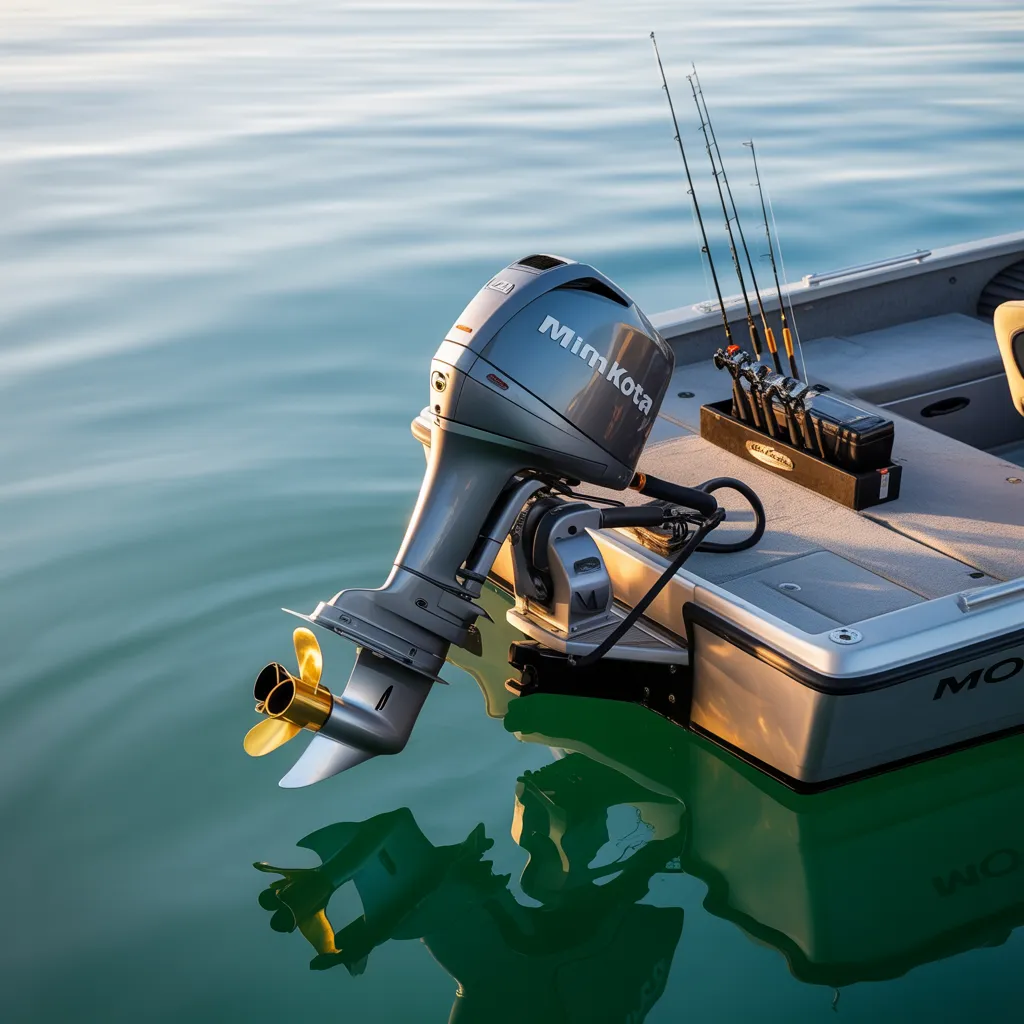
The Perks of Using Trolling Motors for Boating
Trolling motors deliver significant advantages for water sports enthusiasts, particularly when careful maneuvering and minimal noise are required. These motors ensure a much quieter experience compared to standard outboard propulsion systems, permitting boaters to travel through fragile ecosystems without disturbing wildlife. Their ability to maintain a slow, steady speed is ideal for various activities, including exploration and maneuvering in tight spaces.
Additionally, trolling motors are typically more energy-efficient, prolonging battery life throughout outings. This level of efficiency supports longer journeys without the demand for frequent recharging. The adaptability of trolling motors permits effortless installation on numerous types of watercraft, spanning from small fishing boats to full-sized recreational vessels.
In addition, a wide range of models come outfitted with sophisticated features such as autopilot systems and GPS navigation tools, elevating general handling. Thus, these motors not only improve operational control but also support a more enjoyable and sustainable experience on the water for avid boaters.
The Ways Trolling Motors Enhance Your Fishing Experience
The perks of trolling motors reach further than general boating, greatly enhancing angling experiences. These motors offer fishermen accurate command of their boat's direction and speed, permitting perfect positioning near fish-rich areas. The quiet operation of trolling motors minimizes disturbances in the water, increasing the likelihood of attracting fish that would otherwise be disturbed by traditional engines.
Moreover, the capacity to maintain a measured and deliberate pace permits fishermen to carry out various techniques, such as slow trolling or casting, with increased precision. Such motors additionally support more precise movement in confined areas, such as shallow coves or beneath submerged formations, which are typically some of the best fishing destinations. This versatility allows anglers to explore diverse environments with assurance. All things considered, the addition of trolling motors into fishing outings plays a major role in delivering a notably efficient and pleasurable experience on the water.
How Trolling Motors Help Protect the Environment
Although numerous boating enthusiasts focus on performance and convenience, the environmental benefits of trolling motors are equally significant. These electric motors run quietly and effectively, minimizing noise pollution that can disturb aquatic life. As opposed to standard gas-powered engines, trolling motors generate no emissions, decreasing harmful contaminants that lead to water quality deterioration.
Additionally, their minimal energy consumption ensures that users can benefit from longer outings without diminishing battery resources rapidly. This capability supports a responsible approach to boating, allowing enthusiasts to navigate nature without generating a significant carbon footprint.
Trolling motors further encourage responsible fishing practices by enabling anglers to navigate fragile ecosystems without causing disruption. Their quiet functionality works to maintain delicate ecosystems, ensuring that waterways remain pristine for generations to come. As trolling motors become more widely used among boaters, the combined impact may result in thriving aquatic habitats, establishing them as an attractive selection for eco-minded outdoor enthusiasts.
Critical Features to Keep in Mind When Choosing a Trolling Motor
When choosing a trolling motor, a number of important features require consideration. Motor power and thrust determine performance, while battery life affects usability on the water. Additionally, shaft length options can impact the motor's effectiveness in various fishing conditions.
Engine Power and Thrust
When selecting a trolling motor, motor power and thrust are key determining factors, as they significantly impact a boat's efficiency and control on the water. Thrust, measured in pounds, determines how effectively a motor can move a boat through water and overcome current or wind resistance. Generally, a higher thrust rating allows for better control and responsiveness, especially in larger or heavier boats. Furthermore, motor power, commonly measured in horsepower or watts, plays a significant role in determining operational speed and efficiency. Selecting the ideal combination of thrust and motor power ensures optimal performance suited to individual boating requirements, whether navigating calm fishing waters or tackling demanding conditions. Understanding these parameters helps boaters enhance their overall experience on the water.
Battery Performance Factors
Battery life considerations are crucial in determining the overall performance of a trolling motor, as they determine how long a boat can operate without needing a recharge. When choosing a trolling motor, the battery type—including lead-acid or lithium-ion—affects both performance and longevity. Lithium-ion batteries generally provide extended life cycles and reduced weight, boosting overall maneuverability. Furthermore, assessing the amp-hour rating gives an understanding of the duration the trolling motor can operate across different thrust levels. It is also important to take into account the motor's performance capacity and the boat's overall weight, as these elements affect battery usage. Understanding these elements allows boaters to make informed decisions, guaranteeing a seamless and pleasurable time on the water.
Shaft Length Choices
Picking the appropriate shaft length is essential for optimizing a trolling motor's performance. The shaft length directly affects how well the motor operates in different water conditions. In most cases, longer shafts are recommended for deeper waters or rougher conditions, as they make certain the propeller stays submerged and sustains thrust. In contrast, shorter shafts are suitable for shallow water environments, providing better control and navigability.
When selecting a trolling motor, it is crucial to account for the boat's transom height and the anticipated water depth. A correct fit prevents cavitation and enhances efficiency. Manufacturers typically offer various lengths, usually ranging from 30 to 60 inches, enabling users to select based on their individual boating requirements and circumstances. In the end, the correct shaft length plays a significant role in delivering a smoother, more efficient boating experience.
How to Maintain Your Trolling Motor
Servicing a trolling motor is important for superior efficiency and durability. Consistent inspection and upkeep, along with appropriate battery care and storage habits, play significant roles in ensuring its consistent performance. By adhering to these principles, boat owners can enhance the reliability and effectiveness of their marine motors.
Regular Inspection And Cleaning
Routine inspection and maintenance of a trolling motor are critical for optimal performance and long-term durability. Over time, debris, algae, and corrosion can accumulate, negatively affecting the motor's efficiency. Scheduled checks ought to encompass assessing the propeller for wear and verifying that it turns without restriction. The motor's exterior should be wiped down to remove any buildup, while the electrical connections must be inspected for corrosion or wear. Furthermore, the shaft must be thoroughly cleaned to avoid rust formation and ensure seamless functioning. After each outing, rinsing the motor with freshwater is advisable, especially if used in saltwater. By committing to a disciplined inspection and cleaning regimen, anglers can greatly boost their trolling motor's performance and substantially increase its operational lifespan.
Battery Maintenance Tips
Effective battery maintenance is essential for ensuring the longevity and performance of a trolling motor. Regularly checking battery connections for corrosion is vital, as clean terminals promote efficient power transfer. It is recommended to maintain the battery's charge, avoiding complete discharge, to prolong its service life. Furthermore, utilizing a high-quality battery charger suited to the particular battery type can help avoid overcharging, which may cause damage. Maintaining the battery's water levels is also important; distilled water should be added as needed for lead-acid batteries. In addition, housing batteries in a cool, dry space can aid in avoiding premature aging and breakdown. Applying these maintenance practices will greatly enhance the consistent functionality of a trolling motor.
Correct Storage Methods
Correct storage methods are vital for prolonging the lifespan of a trolling motor and maintaining peak performance. To promote long-term durability, it is important to completely clean the motor after check now each outing, removing any debris and saltwater. During storage, it is advisable to store the motor in a dry, climate-controlled space to protect against corrosion and deterioration. The propeller must be taken off and stored apart to eliminate the risk of unintended engagement. Furthermore, removing the battery and keeping it in a cool location helps prevent battery degradation. Regular inspections for wear and tear can help detect potential problems before they worsen. By adhering to these recommendations, boat owners can preserve their trolling motors, guaranteeing dependable performance on future trips.
Electric vs. Gas Trolling Motors: Which Is Right for You?
When selecting between gas and electric trolling motors, it is natural to question which choice best suits their boating needs. Electric trolling motors are recognized for their quiet operation and environmentally friendly nature, making them well-suited for fishing in serene waters where a quiet approach is critical. They are generally more straightforward to use and upkeep, as they require simply charging the battery. However, their performance range may be constrained by battery capacity.
Conversely, gas-powered trolling motors offer more power and longer running times, making them ideal for larger vessels or lengthy excursions. They handle more demanding conditions and typically generate greater thrust. Yet, they come with drawbacks, including noise, emissions, and more complex maintenance requirements.
At the end of the day, the selection copyrights on the watercraft operator's specific needs, including the water type, outing duration, and individual preferences regarding ecological impact and upkeep.
Commonly Asked Questions
Can Trolling Motors Be Installed on Any Kind of Boat?
Trolling motors work well on many different boat styles, including fishing vessels, pontoon boats, and compact watercraft. Nevertheless, proper compatibility relies on the watercraft's size, load capacity, and intended application, requiring careful selection for peak performance.
How Fast Can a Trolling Motor Go?
Trolling motors typically reach speeds of between 3 and 5 miles per hour, depending on the model and boat type. These motors emphasize quiet performance and accuracy rather than speed, making them ideal for fishing and leisurely activities.
Do Trolling Motors Need a Dedicated Battery?
Trolling motors commonly demand deep-cycle batteries, engineered for prolonged discharge cycles. These batteries deliver superior performance and durability, because they offer reliable power across extended timeframes, unlike ordinary batteries that tend to run out too fast.
Are Trolling Motors Easy to Install?
Trolling motors can be relatively easy to install, depending on the model and the boat type. Most come with clear instructions, however a few may need simple tools and a degree of mechanical know-how for the best results.
What Is the Typical Lifespan of a Trolling Motor?
The average lifespan of a trolling motor system usually falls from 10 to 15 years, influenced by usage, maintenance, and environmental factors. Regular maintenance can greatly extend its lifespan and effectiveness in various boating conditions.